
UV Lights, Ionizers & MERV Filters: What Actually Helps
An honest breakdown of the most marketed corner of the HVAC world, from a technician who installs and services all three.
Quick answer: UV lights target microbial growth on your evaporator coil, ionizers cause airborne particles to clump and settle faster, and MERV-rated filters physically capture particles at your filter itself. Most Tampa homes only need one of these, if any, and higher isn’t automatically better, especially with MERV ratings, which can strain a system not designed for the added airflow resistance.
UV Lights
What They Actually Do
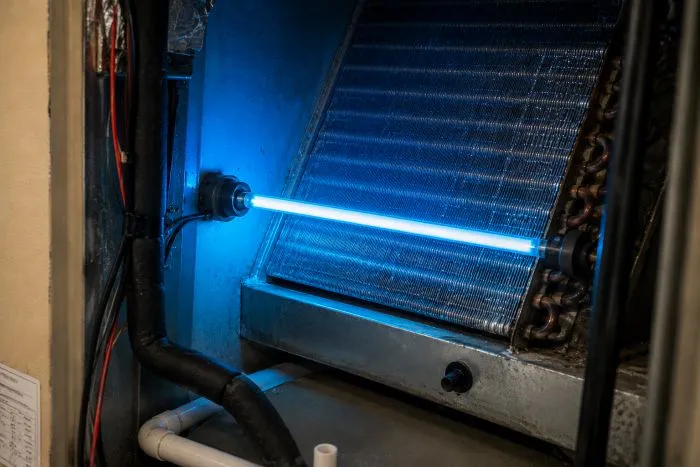
UV lights, typically installed near the evaporator coil, use ultraviolet light to target microbial growth on the coil surface. This helps reduce the biofilm buildup that Tampa’s humidity encourages, since the coil is usually where that cycle starts. See our humidity guide for why this matters so much here specifically.
What They Don’t Do
UV lights don’t clean your existing ductwork or sanitize your whole home’s air the way some marketing implies. They’re a prevention tool for the coil area, not a replacement for periodic duct cleaning. See our mold and biofilm guide for the fuller picture on what’s actually growing there.
Ionizers
What They Actually Do
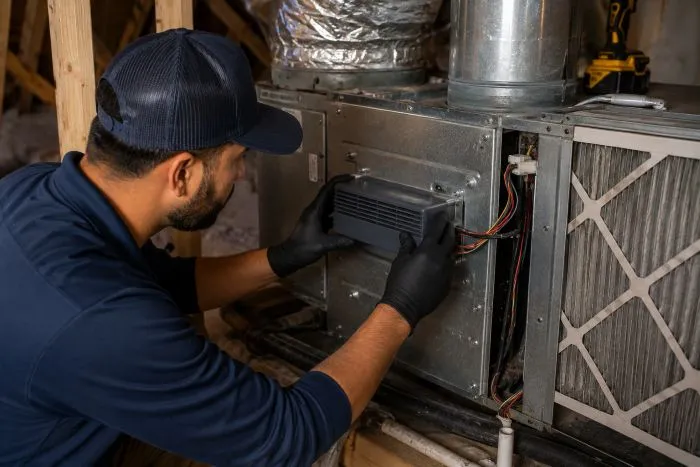
Ionizers release charged particles into the air that cause dust and airborne particles to clump together and fall out of the air more readily, or in some designs, get captured more effectively by your filter.
What to Know Before Installing One
Some ionizer technologies have raised air quality concerns depending on design and byproducts produced, this is a genuinely mixed area in the HVAC industry with real debate among professionals. We recommend researching the specific technology and, if you have respiratory sensitivities in your household, discussing it with a physician before installing.
MERV Filter Ratings
What MERV Actually Measures
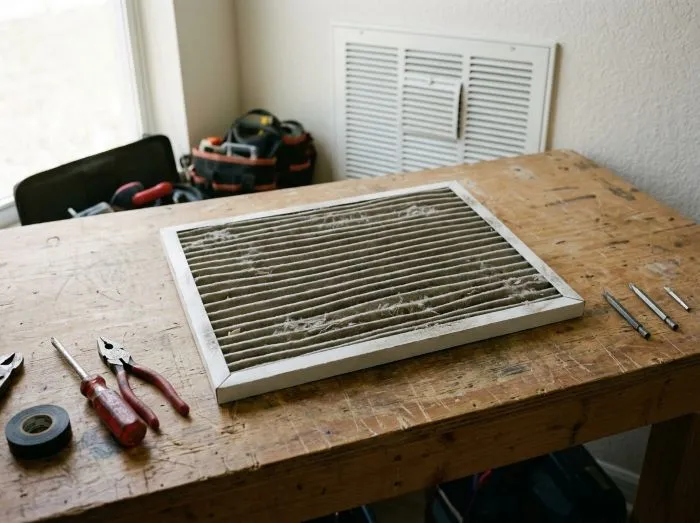
MERV stands for Minimum Efficiency Reporting Value, it’s a standardized scale measuring how effectively a filter captures particles of different sizes. Higher MERV ratings capture smaller particles, including more pollen and fine dust, but they also restrict airflow more. See our pollen season guide for how filter quality affects allergy symptoms.
What Rating Is Actually Right for Your Home
Most residential systems handle MERV 8 to 13 comfortably. Going significantly higher without confirming your system can handle the airflow restriction can actually strain your HVAC system rather than helping it. This isn’t a “higher is always better” situation, it’s about matching the filter to your specific system.
Which of These Actually Makes Sense for You
Do I need all three of these, or just one? Almost never all three. For most Tampa homes, a properly rated MERV filter changed on schedule handles the majority of day-to-day air quality needs. UV lights make sense for households dealing with recurring coil-area biofilm despite regular cleaning. Ionizers are the most situational of the three and worth researching carefully before installing.
Is UV light or air purification worth it for every household? Honestly, no. It’s most worth it for households with allergy or asthma concerns, a history of recurring mold or biofilm issues, or noticeably worse symptoms indoors during pollen season. If none of that applies to your household, a standard cleaning on a reasonable schedule is likely all you need. See our UV Light & Air Purification page for the fuller breakdown.
Quick Answers
Do UV lights use a lot of electricity?
No, most residential UV light systems use minimal power, comparable to a small household appliance running continuously.
Can I install a MERV 13 filter in any system?
Not always safely. Older or smaller HVAC systems may not be designed to handle the airflow restriction of a high-MERV filter. Check your system’s specifications or ask a technician before upgrading significantly.
Are ionizers safe for households with kids or pets?
This depends heavily on the specific ionizer technology and design. It’s worth researching the particular product and, if you have concerns, discussing with a physician, particularly for households with existing respiratory conditions.
Related Guides & Services
Not Sure What Your System Actually Needs?
We’ll assess your home honestly and recommend only what makes sense, no upselling on add-ons you don’t need.
📞 Call (656) 246-9249