
Hurricane Season: Protecting Your Ducts & HVAC
What to check before and after a storm, from a technician who’s serviced Tampa Bay homes through multiple hurricane seasons.
Quick answer: Tampa Bay’s hurricane season runs June through November, and the biggest risk to your ductwork isn’t wind, it’s water. Roof leaks, attic moisture, and extended power outages can all lead to mold and biofilm growth inside your ducts within days. A musty smell developing after a storm is the clearest sign something needs to be checked.
What Actually Puts Your Ductwork at Risk
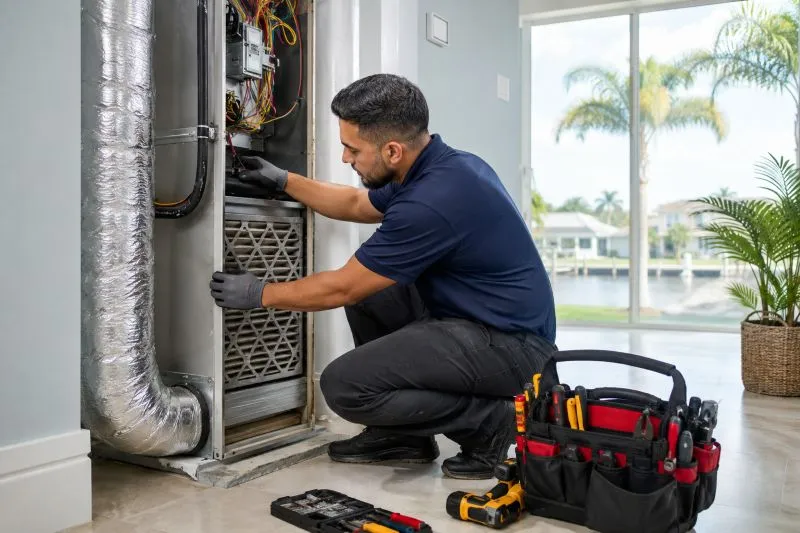
Tampa Bay’s hurricane season runs June through November, and if you’ve been here through even one real storm, you know it’s not just about boarding windows and stocking water. Your HVAC system and ductwork can take a real hit too, especially if water finds its way into attic spaces or crawl spaces where ducts are routed.
Roof and Attic Water Intrusion
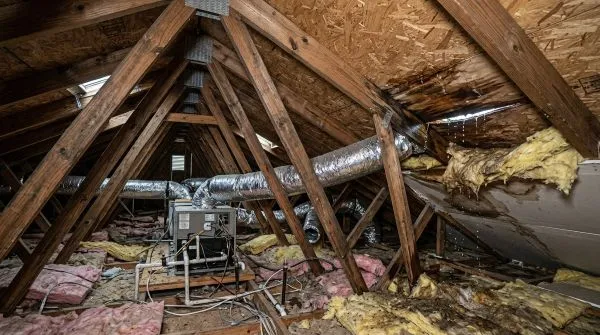
This is the big one. If a storm compromises your roof, even a small leak, water can drip directly onto ductwork routed through your attic. Once moisture gets into flex duct insulation or settles in metal trunk lines, it creates ideal conditions for mold and biofilm to take hold fast, often within days. See our mold and biofilm guide for how quickly this cycle starts.
Flooding and Extended Power Outages
Homes with ductwork running through crawl spaces or lower-level areas, common in parts of Riverview, South Tampa, and St. Petersburg near the water, face a different risk: direct flood exposure. Even minor street flooding can push moisture into these spaces if drainage is poor.
Power Outages and Extended System Downtime
When your AC is off for an extended period during storm cleanup, indoor humidity climbs fast in Florida’s climate. That stagnant, humid air sitting inside your ductwork for days at a time can jumpstart biofilm growth even without direct water intrusion. See our humidity guide for how quickly this cycle compounds.
What to Check After a Storm
How do I know if my ductwork was affected by storm moisture?
The most reliable early sign is a musty smell developing in the days after the storm, sometimes even if you didn’t notice visible water damage. If your home lost power for an extended period or you know your roof took damage, it’s worth a proactive inspection rather than waiting for symptoms.
Is it safe to run my AC again right after a storm?
Generally yes, once power is restored, but if you have any reason to suspect water intrusion into your ductwork or attic, it’s worth having a technician check before running the system extensively, since running air through contaminated ductwork can spread the problem faster.
What We Recommend Before Hurricane Season
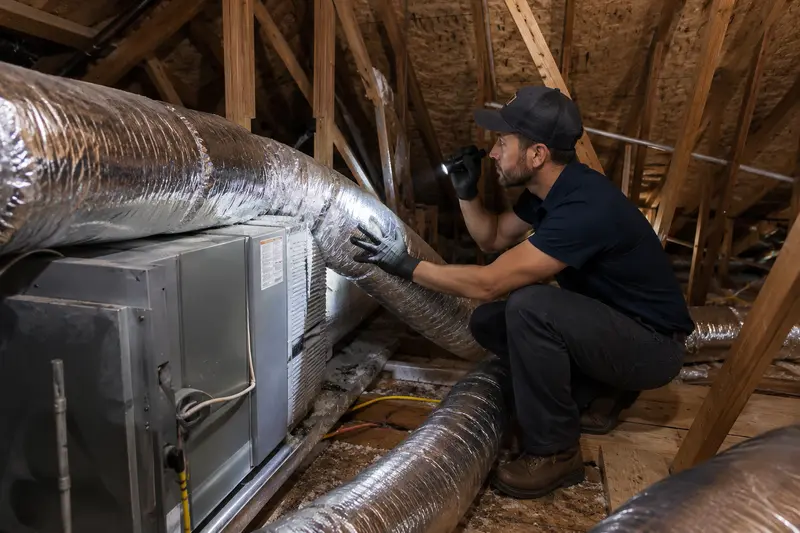
A proactive inspection before June isn’t about selling you something you don’t need, it’s about knowing your system’s baseline condition so that if something does happen during a storm, you have a clear before-and-after comparison. See our 8-step process for what a full inspection covers.
Quick Answers
Should I get my ducts inspected every year before hurricane season?
Not necessarily every single year if your last cleaning was recent and your home has no history of water intrusion. But if it’s been several years, timing an inspection before June is a reasonable idea.
Does homeowners insurance typically cover storm-related duct damage?
That depends entirely on your policy and the specific cause of damage, this is a question for your insurance provider, not something we can answer generally. We can document what we find during inspection if you need that for a claim.
What if I notice a musty smell weeks after a storm, not right away?
Still worth checking. Biofilm and mold don’t always show symptoms immediately, sometimes it takes a week or two of continued humidity exposure before the smell becomes noticeable. See our mold and biofilm guide for more on how this develops.
Related Guides & Services
Noticing Storm Damage or a Musty Smell?
We’ll inspect your ductwork, document what we find, and give you a written price for anything that needs to be addressed.
📞 Call (656) 246-9249